
















What is a photoelectric sensor?

In today's rapidly developing technology, photoelectric sensors, as the "star equipment" in the fields of industrial automation and intelligent control, are playing an increasingly important role. Today, let's delve into the mysteries of photoelectric sensors together. A photoelectric sensor is a device that uses light, an emitter, and a photoelectric receiver to detect the distance and presence of an object. It is like a pair of sharp "electronic eyes" that can respond to the presence of all types of objects, whether large or small, transparent or opaque, glossy or dim, stationary or moving, and can sense objects within a distance of a few millimeters to 100 meters.
Working principle revealed
The photoelectric sensor generates a beam of light through the transmitter unit, and the receiver is responsible for detecting this beam of light. When the light beam is damaged by any external object, the sensor can detect the presence of the object, achieving mechatronics sensing and transduction. The emitter light source is a light-emitting diode that emits light when an electric current is applied, while the photodetector receiver contains a phototransistor that generates an electric current when light is irradiated onto it. The detection range depends on the field of view and the minimum detectable object corresponding to the difference between the larger and smaller distances at which the sensor can retrieve information.
Industrial applications showcase their capabilities
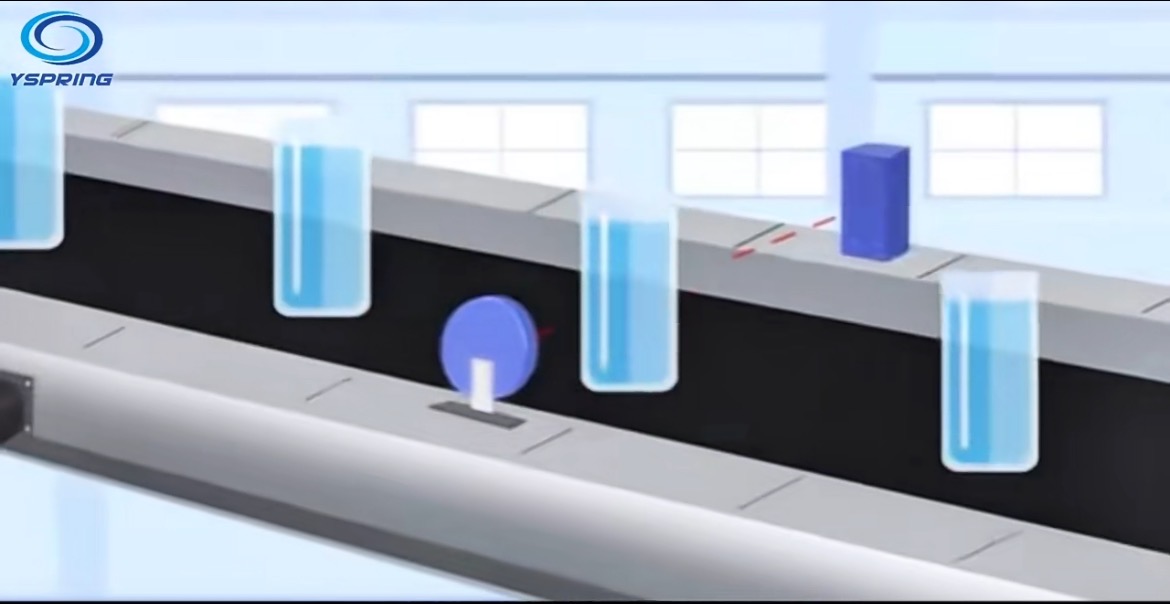
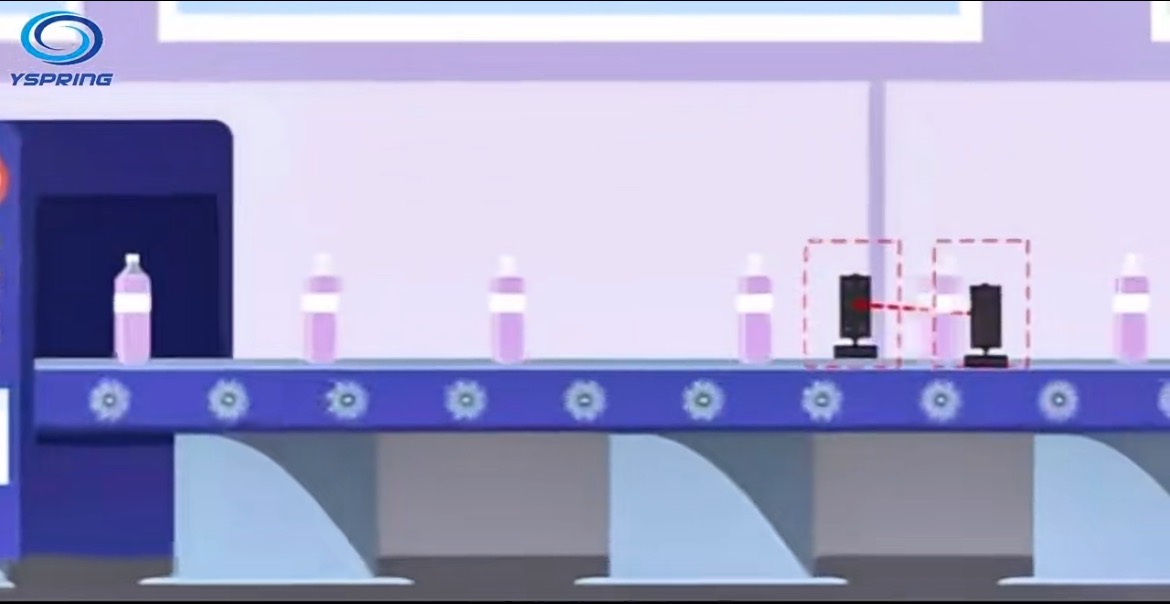
In industrial settings, photoelectric sensors have a wide range of applications. It can detect whether the materials on the conveyor belt are in place, ensuring the safety of the lifting platform for signal accumulation technology. Different from PLC, frequency converter, servo and other products, sensors are usually not installed in a fixed electrical cabinet, but distributed in various mechanisms and systems of industrial machinery and equipment, closely connected with the object to be detected, guaranteeing the efficient and stable operation of industrial production.
Common types and characteristics
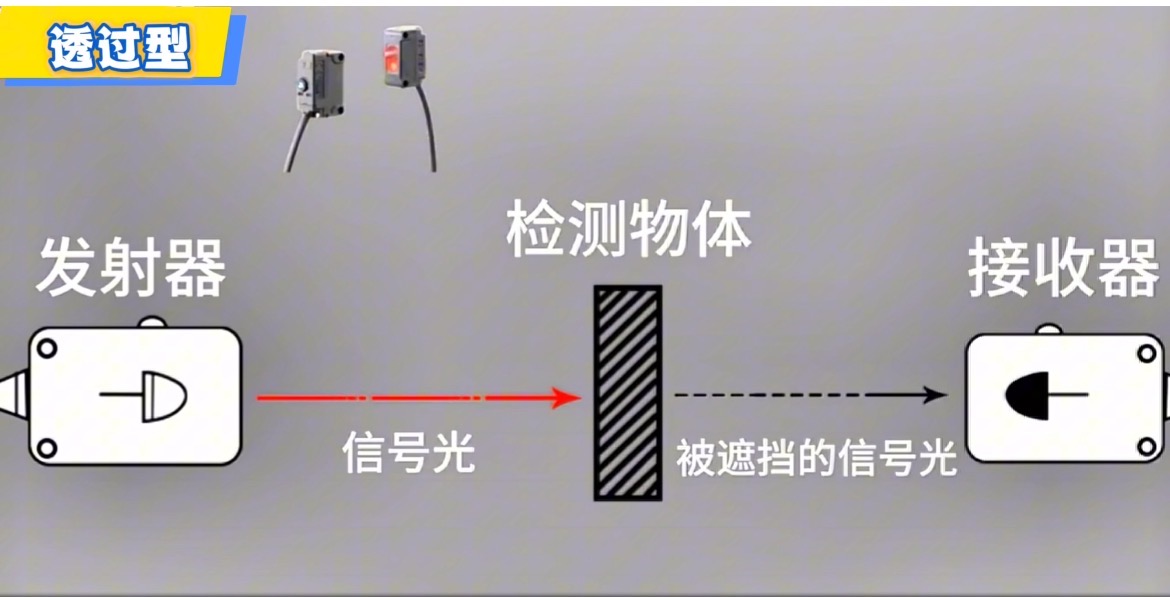
01 Through type
Through type photoelectric sensors detect objects obstructing the optical axis between the transmitter and receiver facing each other. It has the advantages of long detection distance and high detection position accuracy, and can detect most objects. When detecting opaque objects, it is independent of their shape, color, and material and can be directly detected.
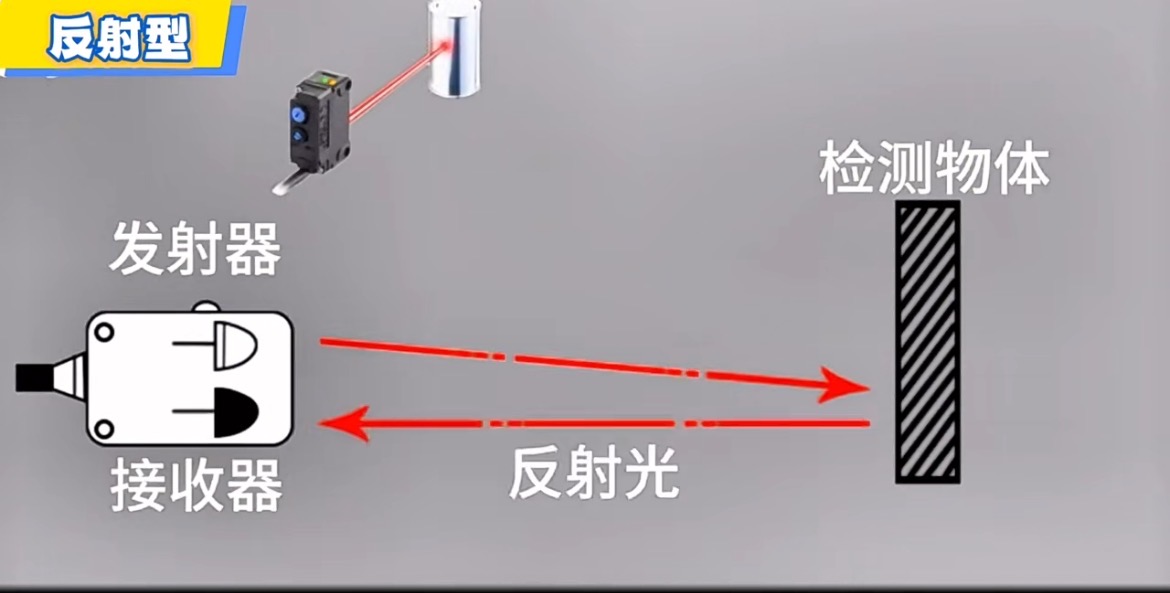
02 Reflective type
A reflective photoelectric sensor integrates a light-emitting element and a receiving element into one sensor to receive reflected light from the detected object. Its characteristic is that it does not take up space, only requires the installation of the sensor body, does not need to adjust the optical axis, and can also distinguish colors.
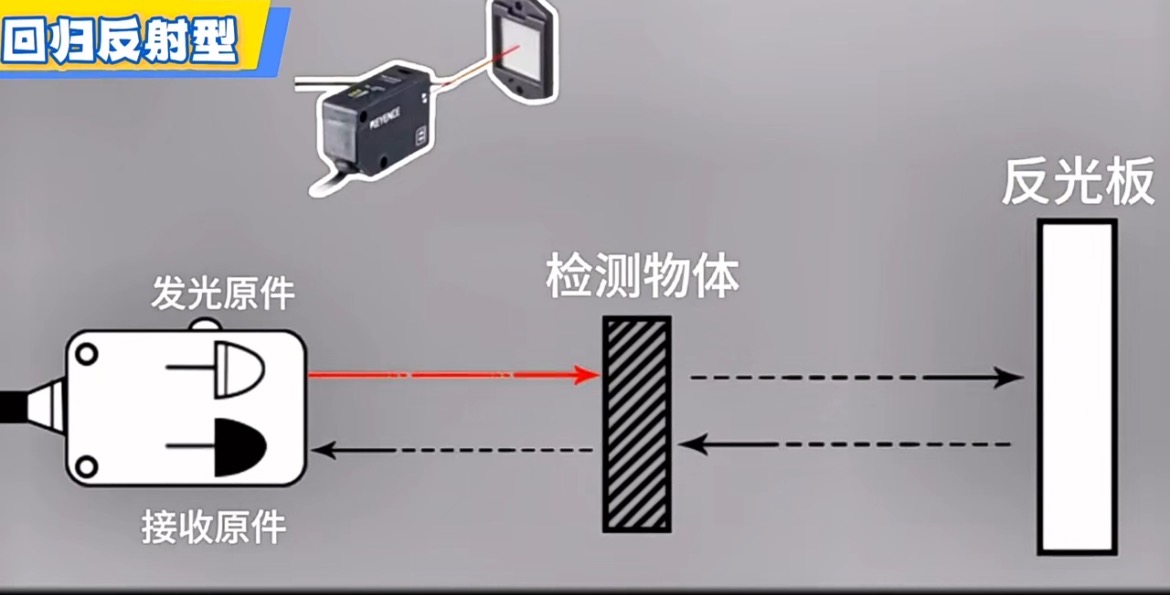
03 Regression reflex type
The retro reflective photoelectric sensor integrates the luminescent element and the light receiving element into a sensor amplifier, which is used to receive the reflected light from the detected object. The light emitted by the luminous element will be reflected by the reflector and received by the light receiving element. If it enters the detected object, it will be blocked. It can be installed in small spaces, has simple wiring, and can achieve long-distance detection compared to reflective types.
In addition to the common types mentioned above, there are multiple classifications of photoelectric sensors based on their detection environment and installation location to meet the needs of different scenarios.
YS high-precision optical trackball input scheme
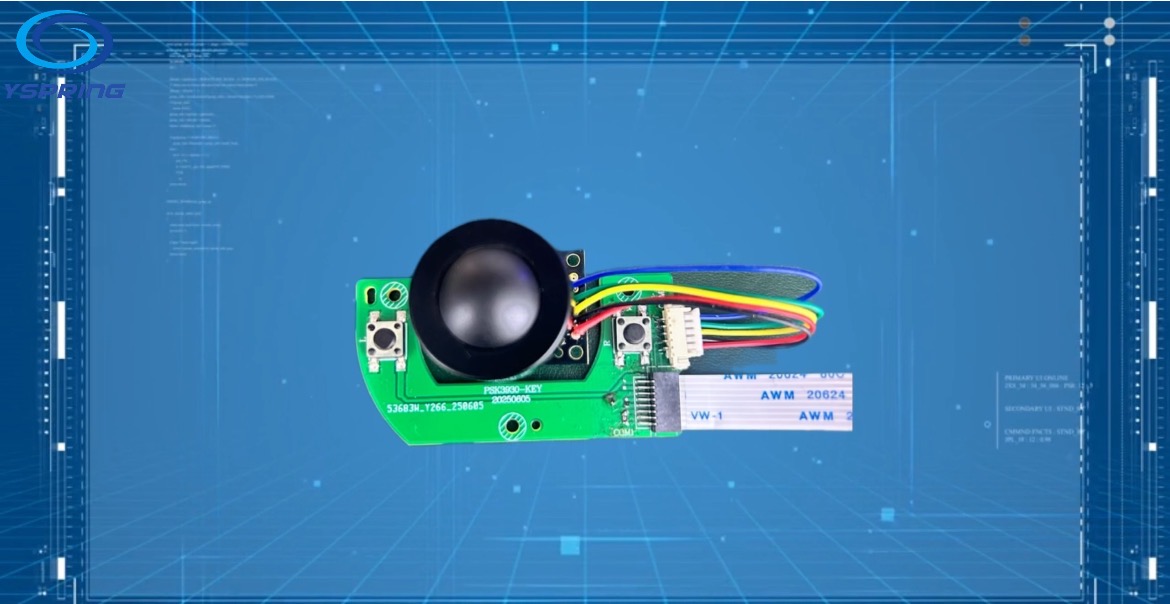

YS has launched a high-precision optical trackball input solution, using self-developed optical conduction technology to achieve a positioning accuracy of 0.025 millimeters and a fast response of one kilohertz, balancing precise office operations with agile gaming control. Its ergonomic design supports multi finger control with the thumb, saving 60% of desktop space in office settings and achieving zero latency positioning in gaming scenarios, providing an efficient input experience.
If you are interested in high-precision optical trackball input solutions for photoelectric sensors or YSPRING, please feel free to call us for consultation and explore the infinite possibilities of technology together!



0755-86227153





